Model
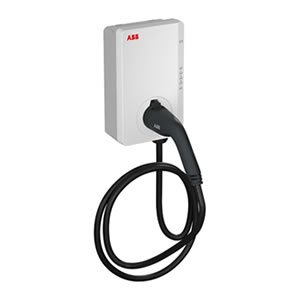
ABB Terra AC
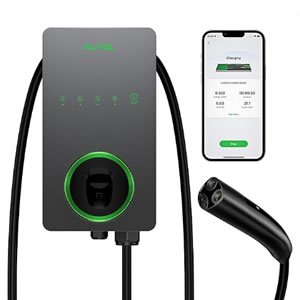
Autel MaxiCharger AC
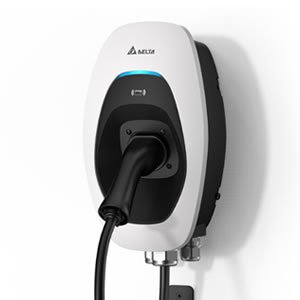
Delta AC Max
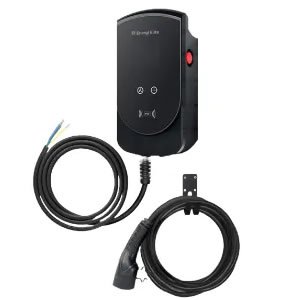
Energi Elite E1.1
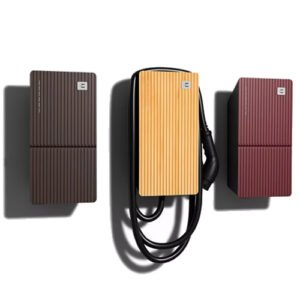
Exicom Spin Air
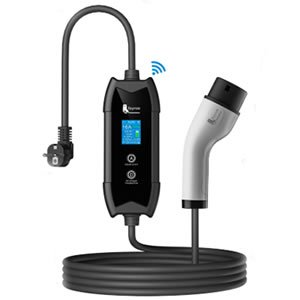
Feyree EV Charger
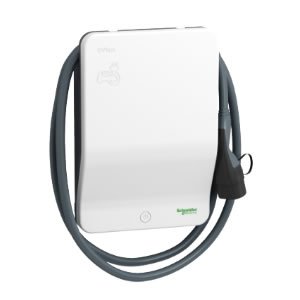
Schneider EVlink
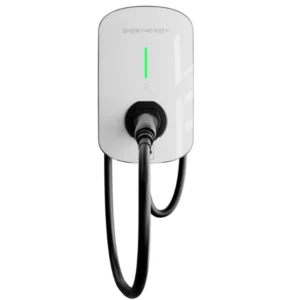
Sigen AC Charger
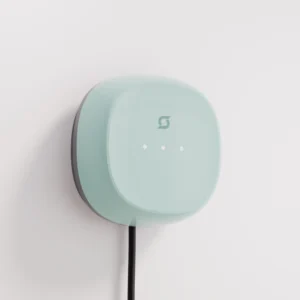
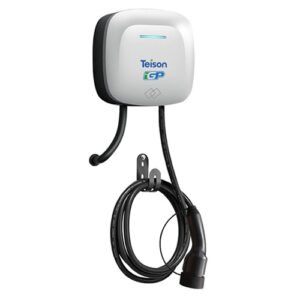
Teison Smart Mini
Teltonika TeltoCharge
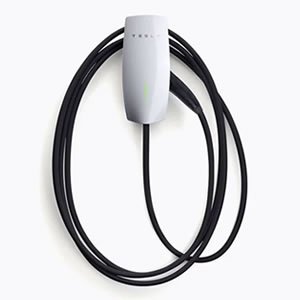
Tesla Wall Connector
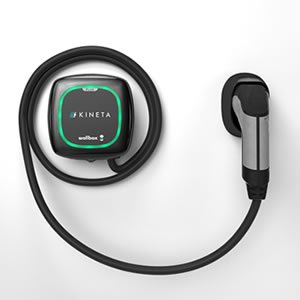
Wallbox Pulsar Plus
Zeeda Energy E Series (Zhida/ZD)
Our Take
Tough, well-documented hardware with OCPP and RFID. Pricier than most for home use.
Flexible app and RFID charger with load balancing, but it needs an extra meter.
Sturdy Taiwanese hardware with good weather rating. Malaysian pricing is steep.
Local brand, low price, touchscreen and RFID. Warranty is 2 years.
Compact and light 22 kW unit with load management. Pricey in Malaysia, IP rating varies by source.
Cheap and feature-packed for first-timers. Check certification and who installs it.
Plain, sturdy home charger. Strong weather rating, add-on stops your main breaker tripping.
Best with a Sigenergy inverter or battery. Tough IP65/IK10 shell, 3-year warranty.
Home load balancing as standard, IP65/IK10 and a 7m cable from IGP.
European build, 3-year warranty, RFID and OCPP. Solid all-rounder.
Built for Teslas but happy with any Type 2 car. Simple, well made, 7.3m cable.
Compact, proven app, widely supported. Best balance of features, size, and price.
Tough IP66/IK10 three-phase unit with app control. No official Malaysian price found.
Price
RM4,411+Installed
RM2,795+Installed
RM10,466+ (BuyEV, incl. install)Installed
RM1,999+Installed
RM7,000+ (unit, EVNETICS)Installed
RM1,300+Installed
RM4,321+Installed
Price on requestInstalled
RM3,299+Installed
RM3,899+Installed
RM2,880+Installed
RM2,800+Installed
Price on requestInstalled
SIRIM
Yes, If From Authorized Distributor
Verify ST approval with your installer
Verify With Seller or Installer
Yes (SIRIM QAS type approval listed by Energi Elite)
Verify With Seller or Installer
From Overseas, Usually Uncertified
Yes, If From Authorized Distributor
Verify With Seller or Installer
Verify With Seller or Installer
Verify With Seller or Installer
Yes, If From Authorized Distributor
Yes, If From Authorized Distributor
Verify With Seller or Installer
Power &
Phase
7.4–22 kWSingle or 3-phase
7.4–22 kWSingle-phase or three-phase (model-dependent)
7.4–22 kWSingle or 3-phase
7–22 kWSingle or 3-phase
22 kW3-phase
7.6–22 kWSingle or 3-phase
7.4–11 kW (EVlink Home); 22 kW on EVlink SmartSingle or 3-phase
7–22 kWSingle or 3-phase
7–22 kWSingle or 3-phase
7.4–22 kWSingle or 3-phase
Up to 22 kW (Malaysian Model 3/Y take 11 kW)Single or 3-phase
7.4–22 kWSingle or 3-phase
11–22 kW3-phase
Type
Type 2
Type 2
Type 2
Type 2
Type 2
Type 2
Type 2
Type 2
Type 2
Type 2
Type 2
Type 2
Type 2
Smart
Features
Smart (app)
Smart (app)
Smart (app)
Smart (app)
Smart (app)
Smart (app)
Basic
Smart (app)
Smart (app)
Smart (app)
Smart (app)
Smart (app)
Smart (app)
Warranty &
Support
2 years (3 to 5 years extendable)ABB Malaysia + authorised resellers
3Check With Vendor
2 + 1 years (BuyEV)Delta Malaysia + BuyEV
2 years charger, 1 year installEnergi Elite (KL) local team
2 yearsEVNETICS (KL/Selangor)
2 years (international)Local resellers (e.g. Veocharge)
2 yearsSchneider Electric Malaysia + resellers
3 years (registered units)Sigenergy installers (e.g. Solucion)
2 yearsInnovative Green Power (PJ)
3 yearsEnergi Elite, EVNETICS
4 years residential (12 months under HCP)Tesla Malaysia + Tesla Approved Installers
3Official (Kineta)
Confirm with sellerConfirm local distributor
Weatherproof
IP54 / IK10
IP65 / IK10 (cable version)
IP55 / IK09
IP54
IP54 (EVNETICS); Exicom states IP66
IP65
IP55 / IK10
IP65 / IK10
IP65 / IK10
IP55 / IK10 (datasheet)
IP44 (Tesla Malaysia listing)
IP54
IP66 / IK10
Best For
Owners who want brand-name hardware and OCPP
Landed homes on single-phase wanting app and RFID
Three-phase homes and small offices
Budget-minded single-phase landed homes
Three-phase homes
Budget single-phase homes
Landed homes wanting simple plug-and-charge
Homes with or planning Sigenergy solar
Homes with tight power supply
Landed homes and small condos wanting OCPP
Tesla owners on landed homes
Most homes
Three-phase homes