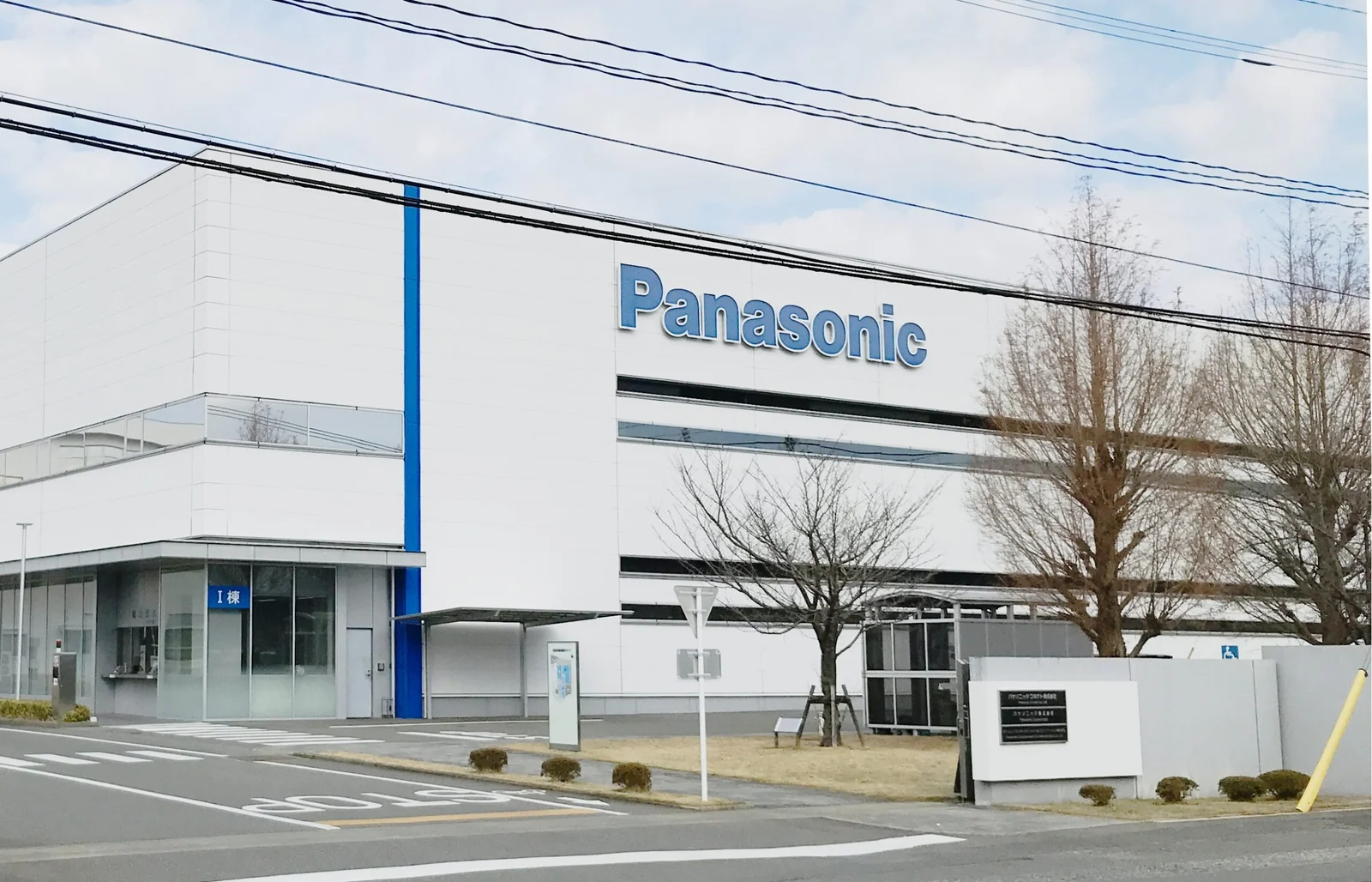
Panasonic Energy just announced they’re working on this anode-free battery technology that could give electric cars like Tesla almost 145 Km of range. Can you believe that? Your Model Y could potentially drive from KL to Ipoh and back without needing to charge.
What Makes This Battery So Special?
Instead of building the battery with an anode from the start, they just let the lithium metal anode form naturally after you charge the battery for the first time. It’s like the battery builds itself while you’re using it.
This approach creates more space inside the battery for the good stuff like nickel, cobalt, and aluminum. More space means more power without making the battery pack bigger or heavier. Your car stays the same size but drives much further. Smart, kan?
Shoichiro Watanabe, who’s the big boss of technology at Panasonic Energy, showed off this tech at some event on Thursday. This guy knows his stuff when it comes to battery safety and making batteries store more energy. He mentioned that Panasonic’s round batteries already pack more energy than other battery shapes out there.
Perfect Timing for Tesla
This news comes at just the right time for Tesla. Their US market share dropped to 38% in August, which is the lowest it’s been since 2017. Competition is getting tough with all these other car companies launching new electric models and offering better deals. BYD has also been beating them in Europe.
With Panasonic’s new battery tech, your Tesla Model Y could get almost 145 extra kilometers without changing the battery pack size at all. That means instead of worrying about finding charging stations, you can just enjoy the drive.
But here’s another cool option. Panasonic could also use this technology to make lighter and cheaper battery packs. They could keep the same driving range but make the battery smaller and cost less. Win-win situation for everyone.
The Science Behind It
Regular batteries use graphite anodes, but lithium metal anodes can store about 10 times more energy. We’re talking 3,861 mAh/g compared to graphite’s measly 372 mAh/g.
Plus, lithium metal is really light at just 0.534 g/cm³. When you combine high energy storage with low weight, you get batteries that can power your car further without adding extra bulk.
Panasonic isn’t the only company working on this. Battery makers around the world are racing to perfect anode-free technology. Panasonic has also teamed up with Sila Nanotechnologies to develop silicon-enhanced anodes that can boost EV range by 20% compared to regular lithium-ion batteries.
Making Batteries Cheaper
Panasonic want to use less nickel in their batteries since nickel is expensive. Right now, the cathode materials (nickel, cobalt, and manganese) make up more than half the cost of making a battery.
Cobalt is the most expensive ingredient, so if they can optimize these materials, they might hit the industry target of $125 per kWh for car batteries. That could mean cheaper EVs for all of us in Malaysia.
The Competition is Heating Up
CATL from China is still the world’s biggest EV battery maker with 38.1% of the global market. Panasonic only has about 3% market share. But CATL has been pushing hard with their latest 587 Ah cells that can store 434 Wh/L of energy. That’s 10% better than their previous batteries.
Tesla has already shown they can squeeze more range out of their cars without changing the actual battery. In China, they increased the Model 3 and Model Y range through better battery chemistry and software tweaks. The Model Y Long Range now offers 600 km range compared to the previous 551 km.
When Can We Actually Get These Batteries?
So Panasonic is aiming to get their anode-free batteries into production by end of 2027 lah. They’re basically trying to keep up with all the solid-state battery hype that’s been going around. Even Toyota is jumping on the bandwagon ,they reckon their solid-state batteries can give you 1,200km range and super fast charging by 2027 also.
This whole thing is actually Panasonic’s way of staying relevant in the EV battery game. Cannot deny that the Chinese manufacturers have been really aggressive and have been undercutting prices and coming out with new tech left and right, stealing quite a bit of market share already. If Panasonic can nail this anode-free technology, it might help them bounce back and strengthen their relationship with Tesla at the same time. Not bad strategy if they can pull it off!
Sources: Reuters