You know how everyone’s talking about AI and data centers these days? Well, two Malaysian companies just made a huge move that could change everything.
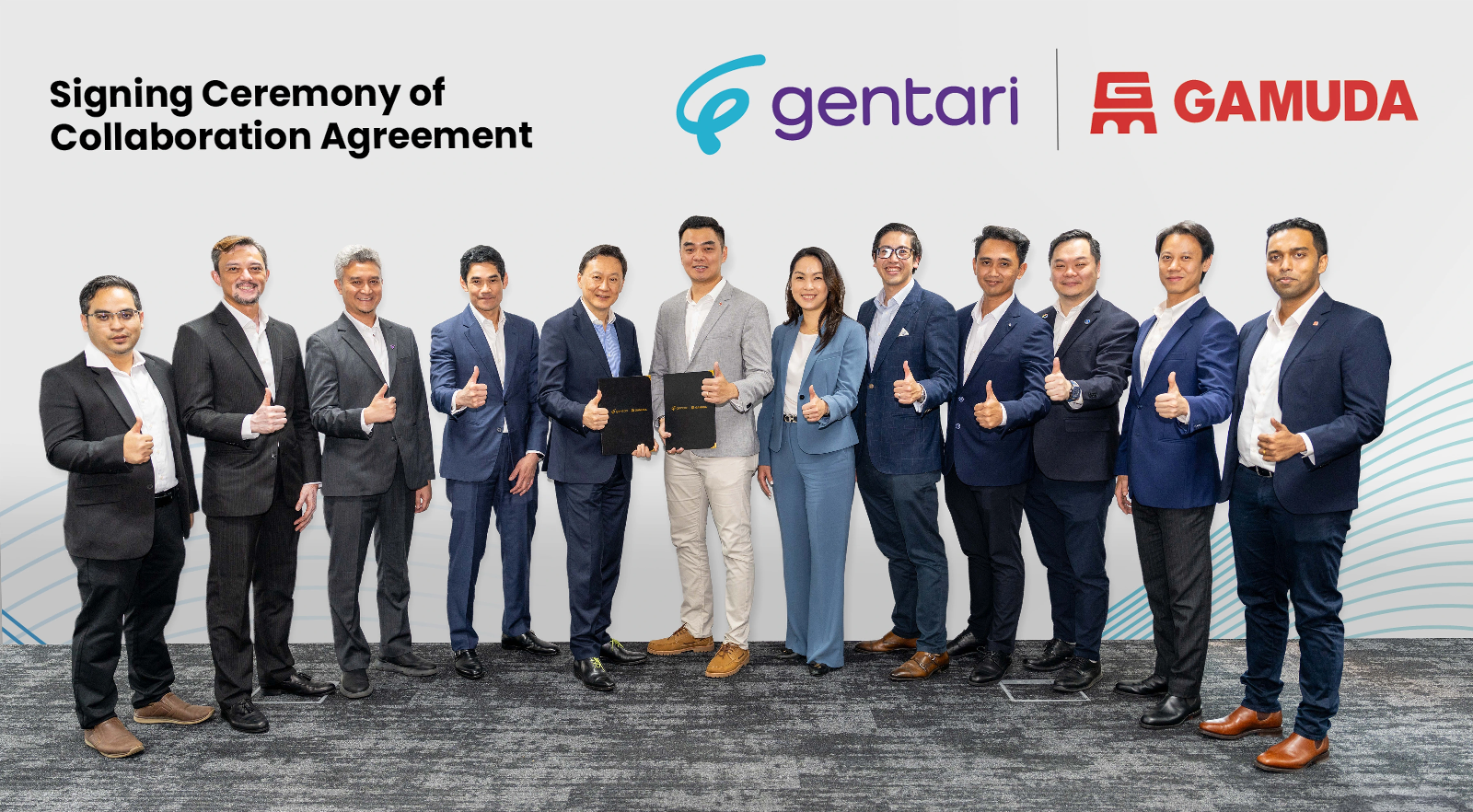
Gentari (that’s Petronas’ renewable energy arm) and Gamuda just announced they’re working together on a 1.5 gigawatt solar energy project. That’s a lot of power, bro. We’re talking about enough energy to power over a million homes.
What’s This All About?
Here’s the deal. Data centers are popping up everywhere in Malaysia. You’ve got Google, Amazon, Microsoft… all these tech giants setting up shop here. But here’s the thing: these data centers eat up electricity like nobody’s business.
The project brings together Gentari Renewables and Gamuda Energy under our government’s Corporate Renewable Energy Supply Scheme (CRESS). They’re not just building solar panels either. They’re adding battery storage systems so the power stays consistent even when the sun’s not shining.
Gentari already runs more than 8 GW of renewable energy projects across different countries. That’s quite impressive for a Malaysian company, kan?
Why This Matters for Malaysia
Let me paint you a picture. By 2035, hyperscale data centers in Malaysia will need over 5 GW of power. That’s like adding several new power plants just for tech companies. And with AI getting bigger every year, the energy demand is expected to double by 2030.
This isn’t just about keeping the lights on. Clean energy is what attracts foreign investors these days. Companies like Google won’t set up here if we can’t provide sustainable power. It’s as simple as that.
Speaking of Google, Gamuda actually got a data center contract worth over RM1 billion from Google’s Malaysian unit in May. Plus, they’re working with SD Guthrie on another 1.2 GW solar project. These guys are busy.
Where Malaysia Stands on Solar Power
Right now, Malaysia has about 2 GW of solar capacity installed. That’s only 5% of our total electricity generation. The government wants 40% renewable capacity by 2035 and 70% by 2050.
The CRESS program launched last September lets companies buy renewable energy directly from developers. It’s basically cutting out the middleman so businesses can get clean energy faster.
What the Big Shots Are Saying
Low Kian Min from Gentari put it nicely: “Malaysia’s digital economy is growing rapidly, bringing with it rising demand for reliable and sustainable power.”
Joshua Kong from Gamuda Energy said clean energy availability is key for attracting foreign investment from top tech companies.
Both make sense. You can’t build a digital economy without reliable, clean power.
Not Just In Malaysia
Gentari isn’t just focused on Malaysia. They’re building a 243 MW solar project in Australia too, with massive battery storage that should be ready by early 2027.
But this Malaysian project is special. It’s not just about generating clean energy. It’s about positioning Malaysia as the go to destination for tech companies in Southeast Asia.
Think about it. If you’re a multinational company deciding where to put your data center, you’ll choose the country that offers reliable, clean, affordable power. This project puts us in the running.
The timing couldn’t be better either. AI is exploding, cloud computing is everywhere, and every company needs data centers. If we can power all that with solar energy, we win.
And let’s be honest, with climate change and carbon taxes becoming real issues, companies need clean energy solutions. This project gives them exactly that.
This partnership between Gentari and Gamuda is more than just another energy project. It’s Malaysia saying we’re serious about becoming a sustainable tech hub in Asia.
With data center power needs expected to triple in the next decade, projects like this aren’t just nice to have. They’re essential. And if we can pull it off, we’ll be the country every tech company wants to work with.
Not bad for a Malaysia Boleh story, right?
FAQ
How much power is 1.5 GW exactly?
It’s enough to power about 1.2 million Malaysian homes for a year. For context, that’s roughly the same as having 1.5 nuclear reactors worth of capacity, but from the sun.
When will this project be completed?
The companies haven’t announced a specific timeline yet, but given the scale and Malaysia’s 2035 renewable energy targets, expect it to roll out in phases over the next 5 to 8 years.
Will this make electricity cheaper for regular Malaysians?
Not directly. This project specifically targets hyperscale data centers. But more renewable energy in the grid generally helps stabilize prices long term and reduces our dependence on imported fossil fuels.
How does this compare to other countries in the region?
Singapore and Thailand are also pushing hard on renewable energy for data centers. This project puts Malaysia in direct competition with them for attracting tech giants. It’s a good problem to have, actually.
Image and Story Source: Gentari Website