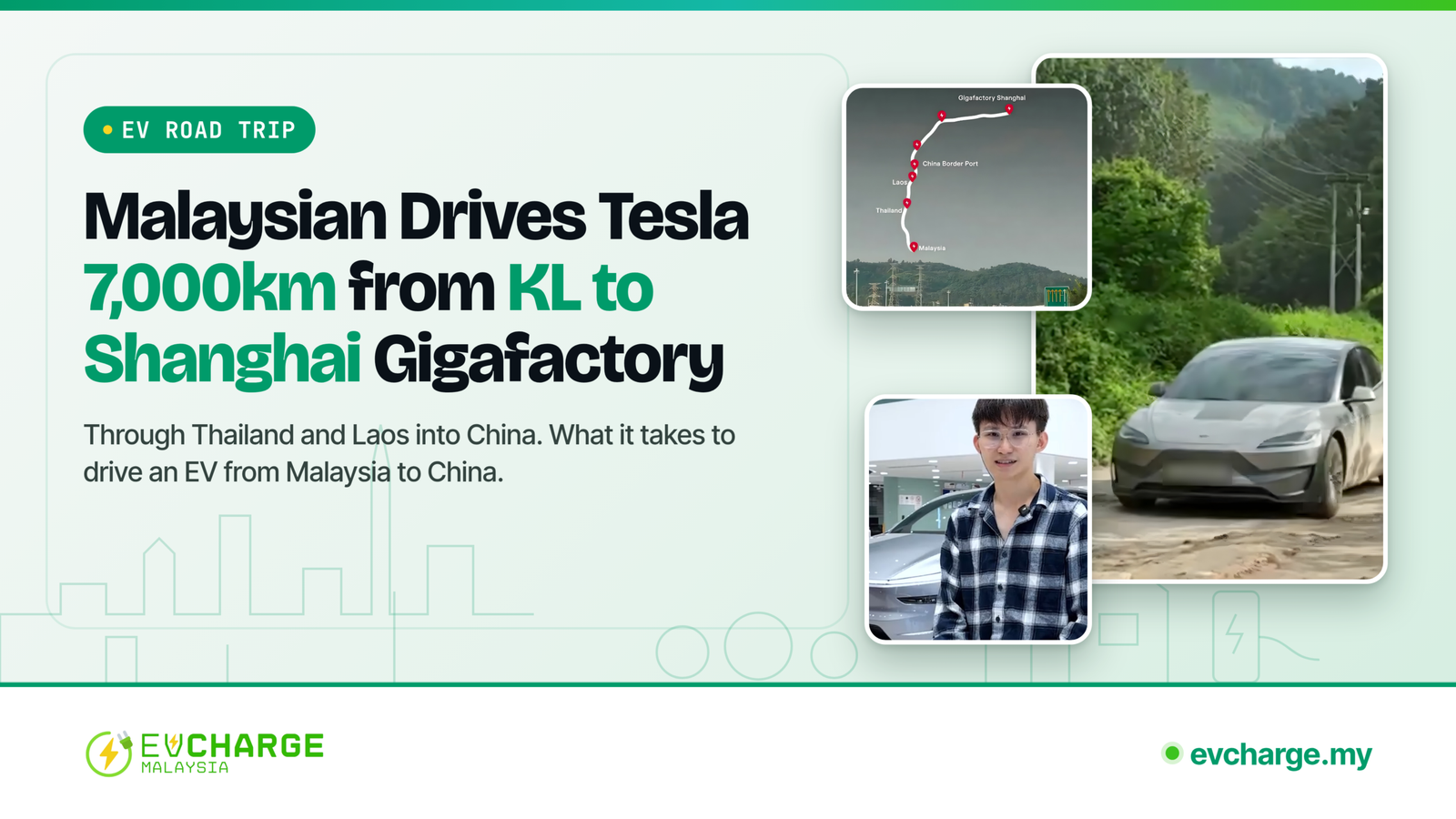
TL;DR: A Malaysian Tesla owner known as KZ drove his 2024 Tesla Model 3 Long Range more than 7,000km from Kuala Lumpur to Tesla’s Gigafactory in Shanghai, where the car was built. The trip went through Thailand, Laos, Kunming and Chongqing and took 20-something days, with about 5 days and 5 hours of actual driving. He reported no breakdowns, easy charging in Thailand, and one 200km stretch of Laos road that took around 10 hours. Thailand has roughly 11,500 to 12,000 public chargers, almost double Malaysia’s 6,416.
Most Malaysians still ask whether an EV can do KL to Penang without stress and drama. KZ went a bit further. He wanted to see if you could drive an EV from Malaysia to China, all the way to the factory gate in Shanghai.
His short video of the trip did the rounds in China in September 2026 after Tesla vice president Tao Lin shared it.
Who is KZ, and why did he drive to Shanghai?
KZ is a Malaysian Tesla owner who drives a Stealth Grey 2024 Model 3 Long Range (the “Highland” facelift). He’d sold his petrol car, so the Tesla is his only car. And he wanted to find out how far an EV can really go.
The destination was a bit sentimental. Malaysian Teslas are built at Gigafactory Shanghai, so he decided to drive his car back to where it was made. It’s like the Tesla balik to its kampung lah.

He also says he’s the first person to drive a Tesla from Malaysia to China. We haven’t been able to confirm that, so treat it as his claim for now.
What route did he take from KL to Shanghai?
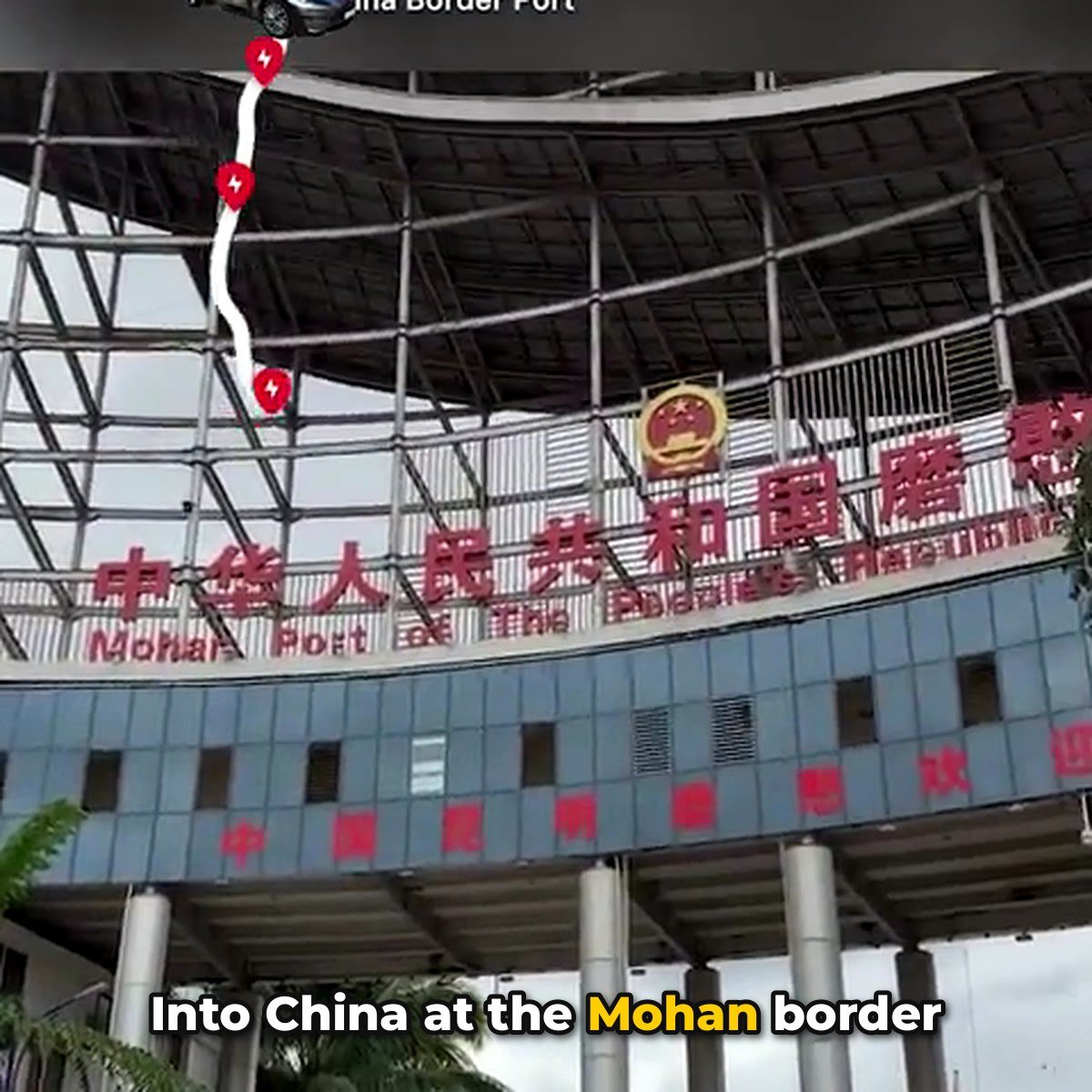
KZ drove from Kuala Lumpur north through Thailand and Laos, then crossed into China at the Mohan border port. From there he went to Kunming, then Chongqing, and finally to Tesla’s Gigafactory in Shanghai.
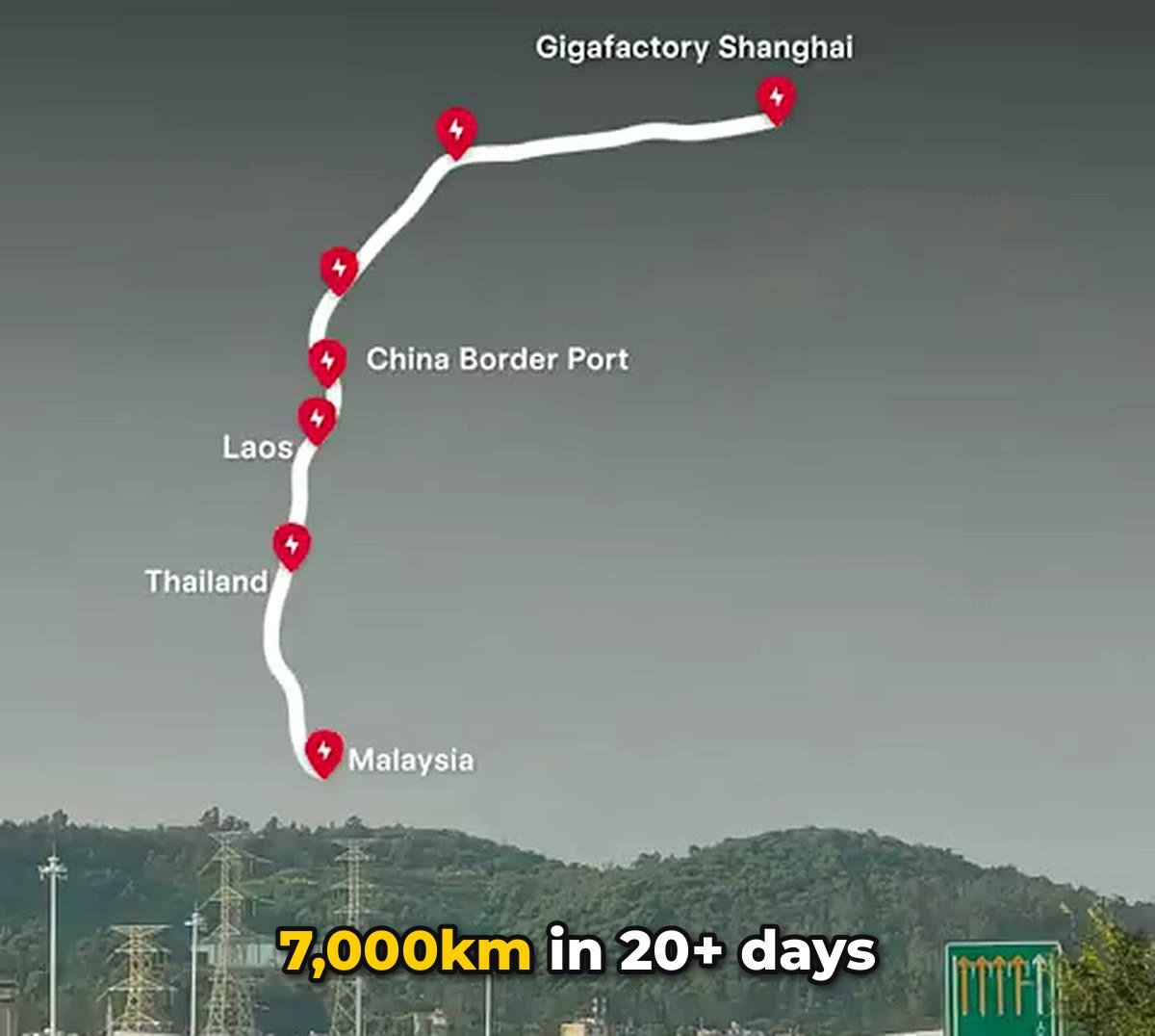
The whole trip took 20-something days. Most of that was sightseeing and stopovers, not driving. Here’s what his car’s trip meter showed at the end:
| Trip by the numbers | Figure (from KZ’s video) |
|---|---|
| Total distance | 7,000+ km |
| Trip meter reading | 6,994 km |
| Actual driving time | 5 days 5 hours |
| Days on the road | 20-something |
| Odometer (car’s lifetime) | 63,880 km |
| Breakdowns | None |
Thailand has more chargers than Malaysia. Is that true?
Yes, and by a wide margin. KZ said Thailand had more charging stations than Malaysia, so range anxiety basically disappeared once he crossed the border. The official numbers back him up, and they don’t make Malaysia look great.
Malaysia had 6,416 public EV chargers as of 31 May 2026, according to figures MITI gave to Parliament. Of those, 2,143 were DC fast chargers. The country was supposed to reach 10,000 chargers by the end of 2025, but only had 5,624 by then (alamak).
Thailand had 11,467 public charging points by December 2024 (Roland Berger EV Charging Index). The International Energy Agency puts it at nearly 12,000 for 2025. Around 5,800 of Thailand’s are DC fast chargers, which is close to three times Malaysia’s count.
| Measure | Thailand | Malaysia |
|---|---|---|
| Public chargers | 11,467 (Dec 2024) to ~12,000 (2025) | 6,416 (May 2026) |
| DC fast chargers | 5,782 (Dec 2024) | 2,143 (May 2026) |
| Target | 12,000 DC by 2030 | 30,000 total by 2030 |
To be fair, Thailand also has far more EVs on the road, so its chargers are shared among more cars. But for someone driving through, what counts is how many plugs there are along the highway. That’s the uncomfortable bit: a Malaysian driver found it easier to charge in Thailand than at home.
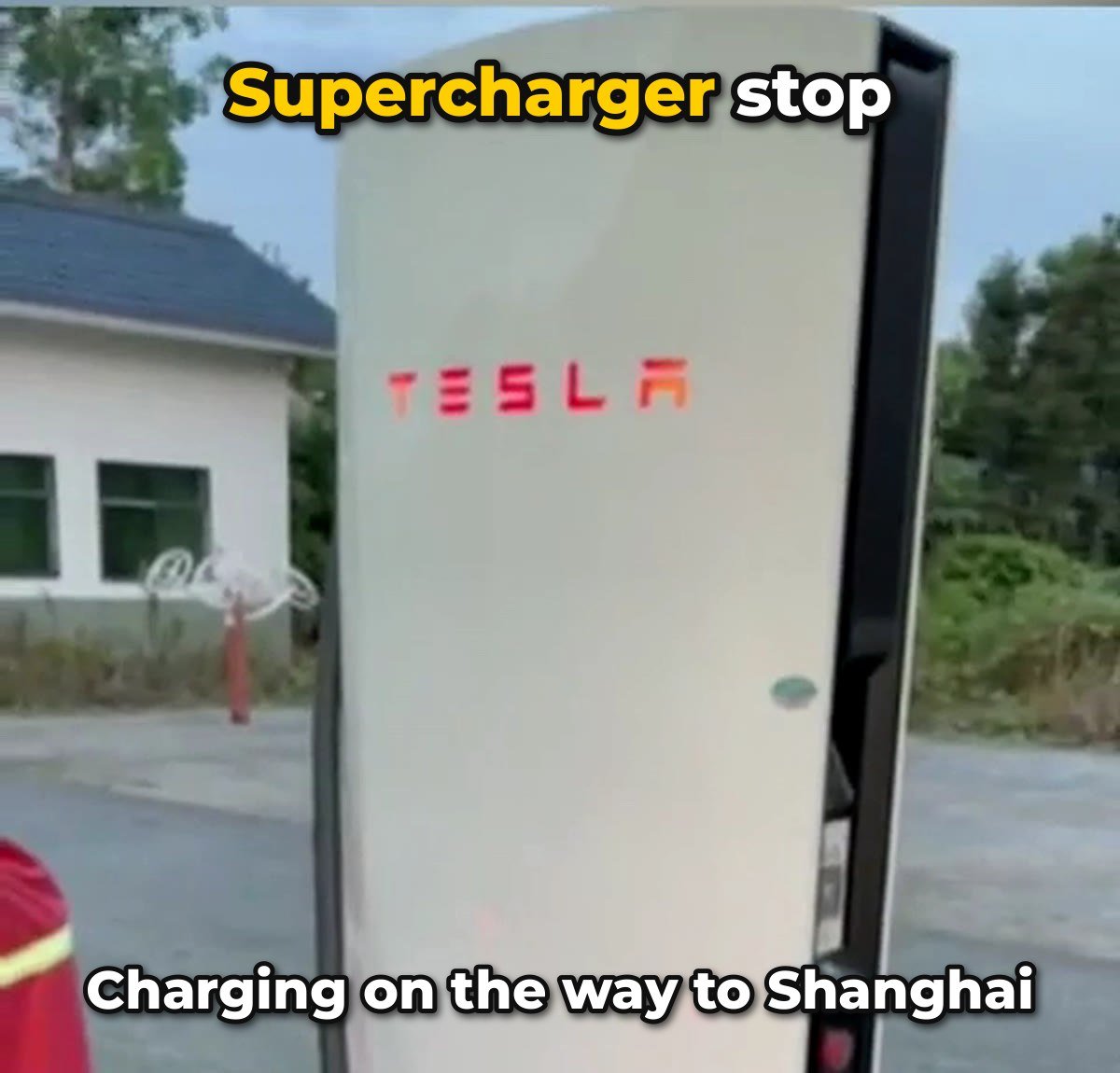
For Tesla drivers there’s one more plus. Since April 2026, Tesla cars registered in Malaysia, Singapore or Thailand can use Tesla’s service, Superchargers and connectivity in all three countries. KZ used Superchargers in Thailand.
What was the hardest part of the drive?
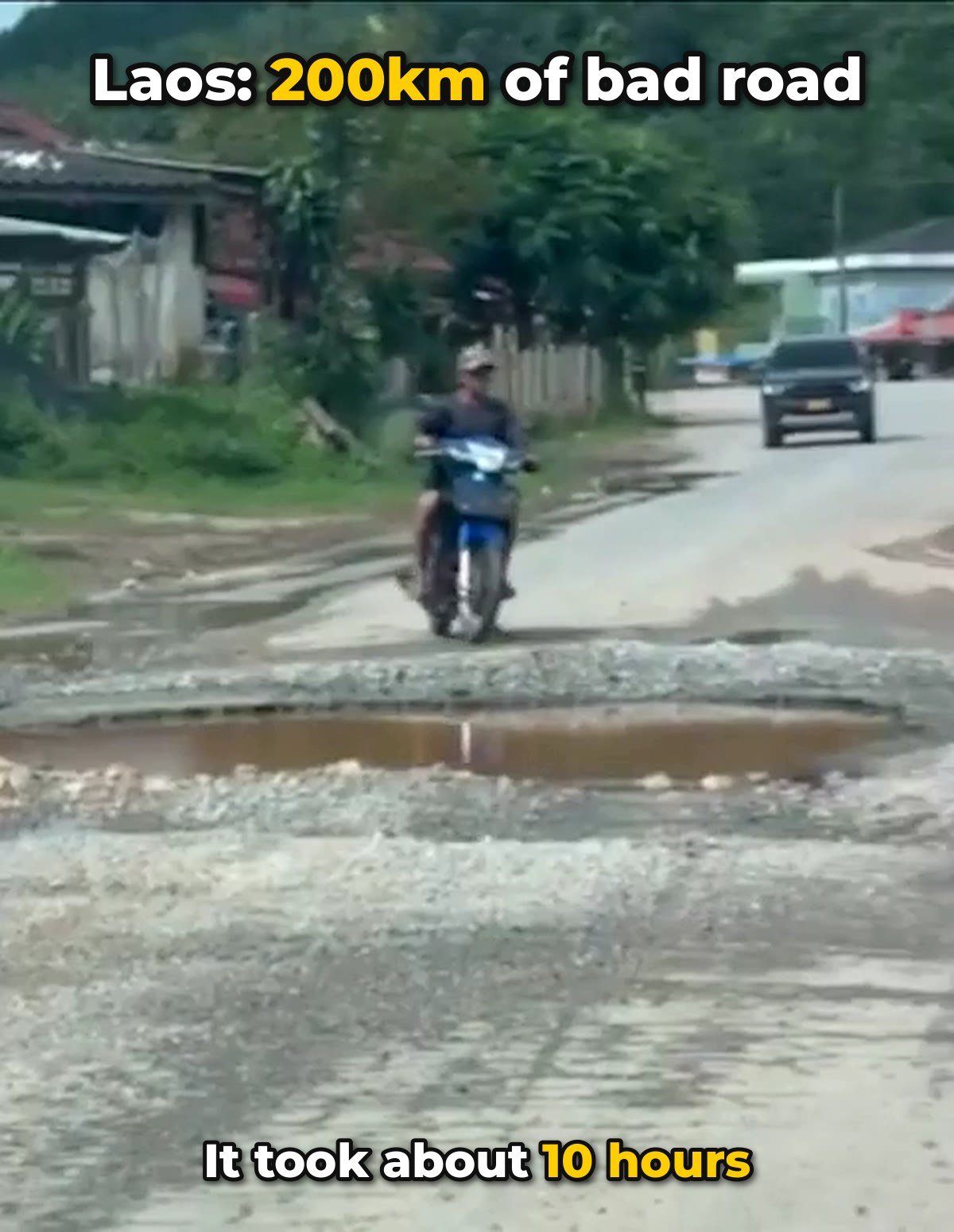
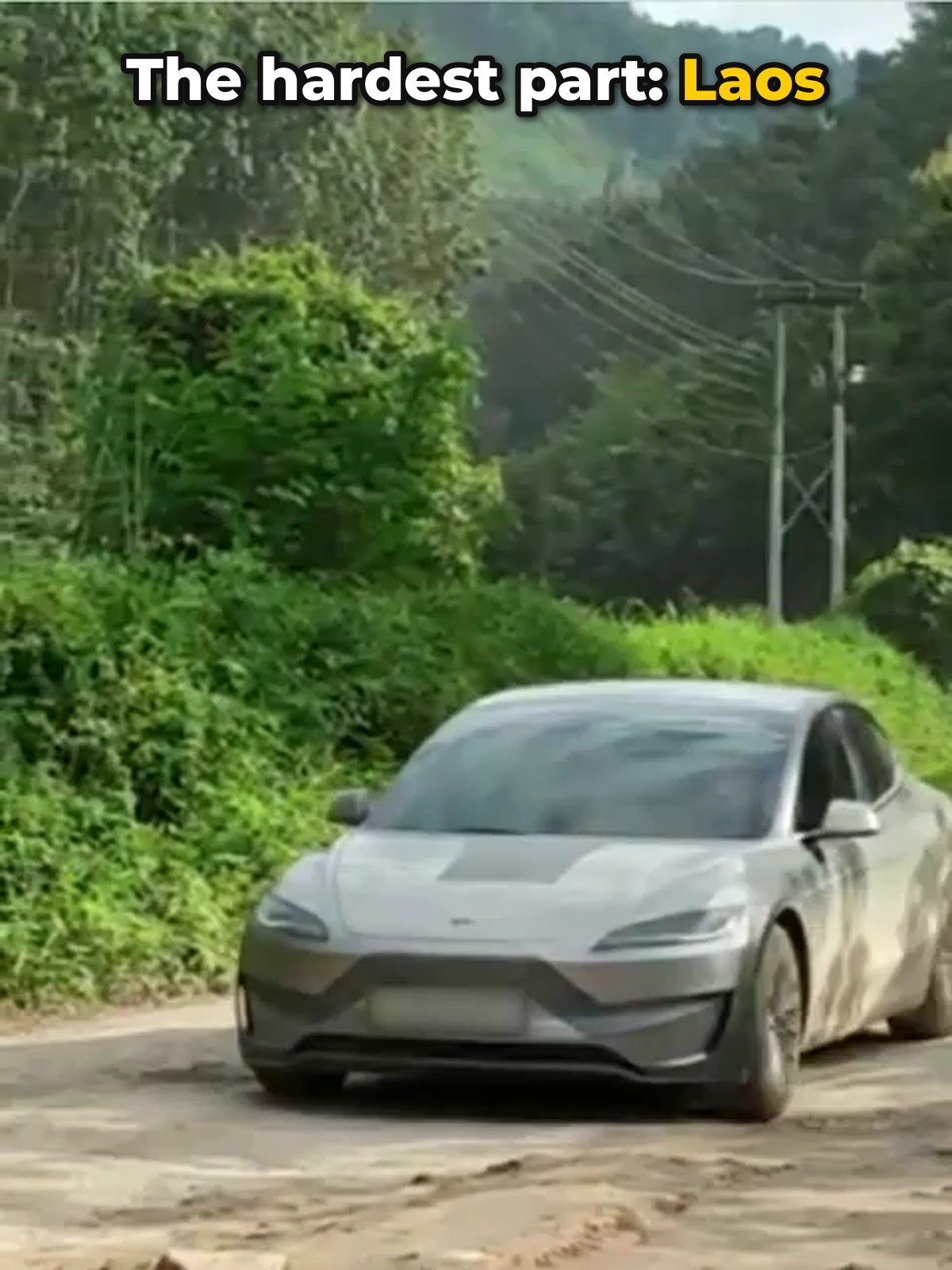
The roads in Laos, not the battery. KZ said one stretch of about 200km in Laos was badly potholed dirt road, and it took him around 10 hours to get through.
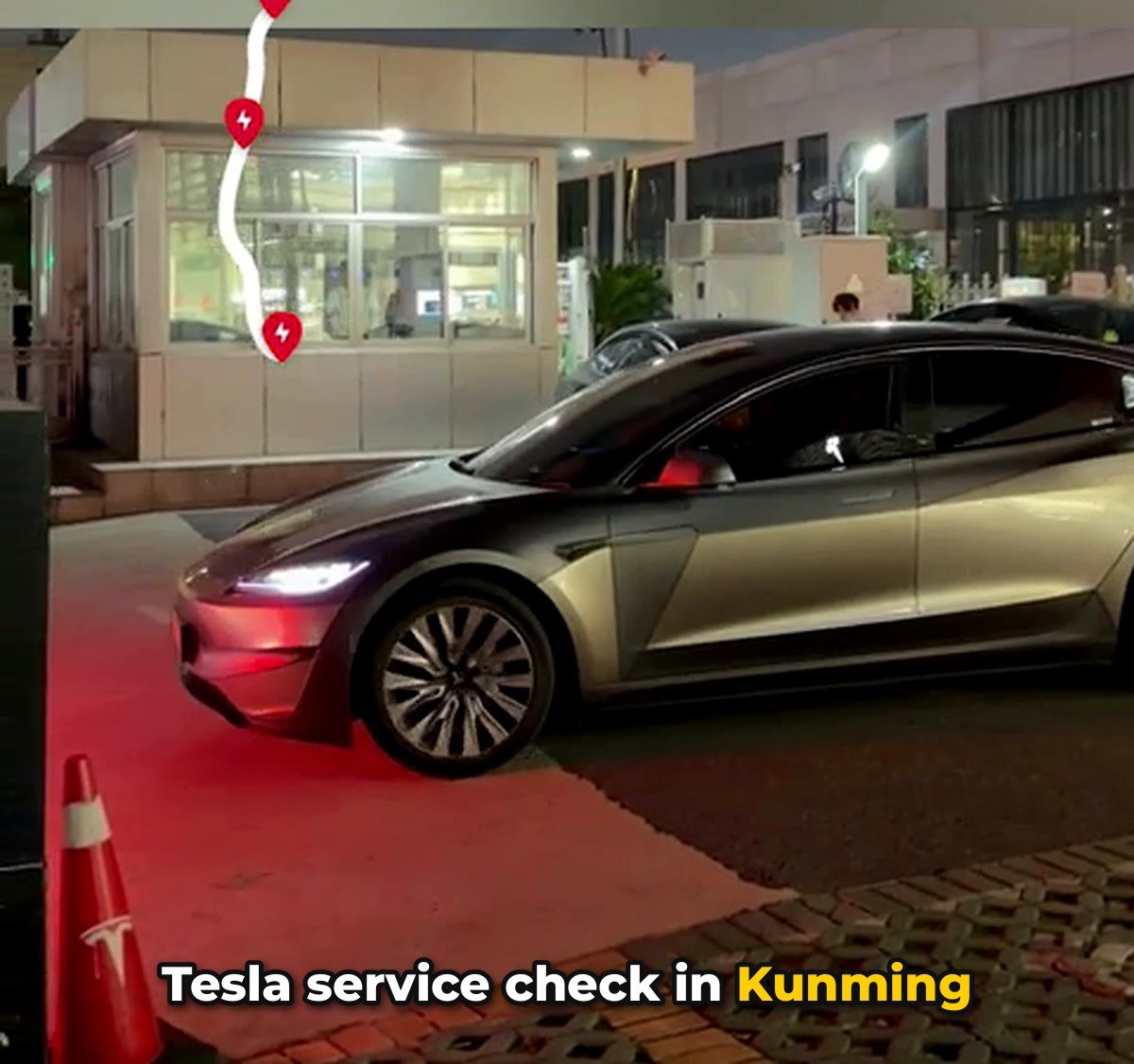
When he reached Kunming, he took the car to Tesla service for a check. The underbody shield (the plastic panel protecting the bottom of the car) was badly scratched, but there was no real damage. So he carried on to Shanghai.
That’s worth remembering if you’re planning any long trip on rough roads. EVs carry their battery pack under the floor, so it’s sensible to get the underside checked after a beating like that.
How far did his Model 3 actually go on a charge?
His car’s display shows about 550km on a full charge, but KZ says he often gets around 650km. The trick, he says, is not driving aggressively.
That’s a useful reminder that the range estimate on the screen isn’t fixed. Smooth driving at steady speeds can stretch it a lot, while hard acceleration and high speeds will shrink it.
He also mentioned one safety moment. A motorcycle cut across his lane, and the car’s automatic emergency braking brought it to a full stop. Anyone who drives in Malaysian traffic will know how often that happens.
Can you drive an EV from Malaysia to China?
It’s possible, as KZ showed, but the car is the easy part. The harder parts are paperwork, roads and planning:
- Border crossings: Taking a Malaysian-registered car into Thailand is routine. Driving it into China is much more involved, because China has strict rules for foreign-registered vehicles. Check the current requirements with the authorities or a licensed cross-border tour operator well before you go.
- Charging gaps: Thailand is well covered. Plan more carefully for Laos and rural stretches.
- Rough roads: Budget extra time, and get the underside of the car checked after bad roads.
- Service stops: KZ used a Tesla service centre in Kunming. Know where your brand’s service points are before you leave.
For most of us, the more practical lesson is closer to home. Long trips are easiest when you start each one with a full battery, and that means having a good charger at home. Our guide on what kW charger suits your home and our breakdown of home EV charging costs in Malaysia are good places to start.
FAQ
Can I drive my Malaysian car to Thailand? Yes. Malaysian-registered cars cross into Thailand by land all the time. You’ll need your passport, the car’s documents and Thai insurance. Check the latest entry rules before you go, because they change.
Can a Malaysian-registered car be driven into China? It’s possible but not simple. China has strict rules for foreign-registered vehicles, and you’ll usually need permits arranged in advance. Most drivers go through a licensed cross-border tour operator.
Does Thailand have more EV chargers than Malaysia? Yes. Thailand had 11,467 public charging points by December 2024, and the IEA puts it at nearly 12,000 for 2025. Malaysia had 6,416 public chargers as of 31 May 2026.
How far can a Tesla Model 3 Long Range go on one charge? KZ’s 2024 Model 3 Long Range shows about 550km on a full charge on the display. He says he often gets around 650km by driving gently. Real-world range depends a lot on speed and driving style.
Where are Malaysian Teslas made? Malaysian Teslas are built at Tesla’s Gigafactory in Shanghai, China. That’s why KZ chose the factory as the end point of his drive.
Planning your own long drives? Start with the right setup at home. Compare home chargers (often called a wallbox) in our charger comparison, and find an ST-registered contractor through our verified installer directory.
Disclaimer: This news post is based on the owner’s own video and published reports as of October 2026. Information is indicative. EV Charge Malaysia is an independent comparison site. We don’t sell chargers or installations, and any sponsored listings are clearly labelled.