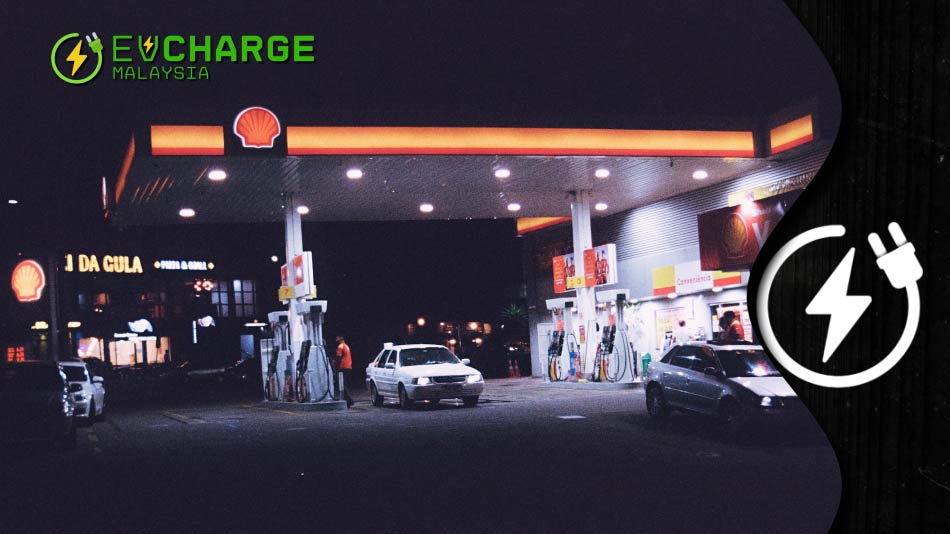
Malaysia’s petrol prices are among the cheapest in the world. As of October 2025, RON95 is RM2.60 per litre, or RM1.99 with the Budi95 subsidy scheme, while diesel sells at RM2.93 per litre in Peninsular Malaysia and RM2.15 in Sabah, Sarawak, and Labuan. So if petrol is already so cheap, why should you bother buying an electric vehicle (EV)? Simple, owning an EV in Malaysia is not just about saving money at the pump. It’s about preparing for the future, cutting long-term costs, and enjoying a better driving experience.
Petrol is Cheap, But Not Forever
Petrol subsidies are not guaranteed forever. The government has already announced a gradual move toward targeted subsidies through the Budi Madani system, meaning only eligible Malaysians get cheaper petrol rates. Once RON95 prices are fully floated, expect the rate to fluctuate with global oil prices. Today it’s RM2.60 per litre, but tomorrow it could be more. When that happens, driving an EV suddenly makes a lot more sense.
Electricity rates, on the other hand, are more stable and predictable. Charging your EV at home costs only a few Ringgit. Many owners say it’s like paying less than RM1 per litre compared to petrol. So in the long run, EVs can save you quite a bit, no need to queue at petrol stations every week too.
EV Prices Are Still Reasonable (For Now)
Right now, Malaysia still offers tax exemptions that make EVs much more affordable. You can enjoy full import, excise, and road tax exemptions until the end of 2025. Locally assembled EVs (CKD) even get these tax breaks until 2027. After that, prices may go up once the exemption period ends.
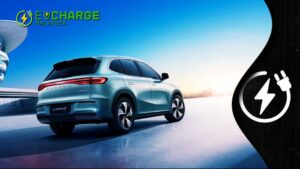
So if you’ve been eyeing a new EV, whether it’s a Tesla, BYD, or Proton e.MAS, now’s a good time to lock it in while the incentives still apply. It’s like catching the last train before the fare goes up lah.
Maintenance Is A Lot Easier
Ask any EV owner and they’ll tell you, there’s no engine oil, transmission fluid, or spark plugs to worry about. Less moving parts means less wear and tear. You just need to check tyres, air filters, and brake fluid occasionally. That’s it. So even though the upfront price might feel higher, the overall maintenance cost can be much lower than a petrol car.
Think about it, no more expensive servicing every few months. And no engine noise too. Just peaceful, quiet driving. Good for your mood also, can?
Charging Stations Are Growing Fast
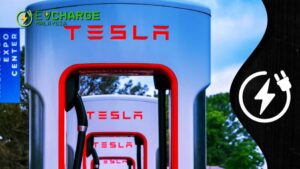
Many Malaysians used to say, “Aiyo, EVs got no charging station lah!” But that’s changing fast. The government has set a goal to install 10,000 public charging bays nationwide by the end of 2025. You’ll find chargers at malls, petrol stations, condos, rest stops, and even some kopitiams now.
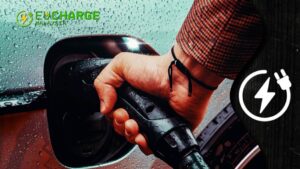
Most drivers charge at home using a wallbox. Plug in at night, wake up to a full battery, simple as that. If you drive around 40 to 60 km daily, home charging alone can easily cover your routine without needing public chargers.
Cleaner Air, Healthier Life
Malaysians spend a lot of time stuck in traffic. Every idling petrol car adds to the haze and pollution. EVs don’t emit any exhaust at all. Imagine if more people switch, less smoky air, healthier lungs, and cleaner cities.
Besides, Malaysia aims to make 20 percent of all new vehicle sales electric by 2030. So buying one now means you’re helping the country reach that goal faster, while setting yourself up for lower fuel costs and less maintenance.
Quiet and Smooth Driving Experience
Once you drive an EV, you’ll understand why so many people say they don’t want to go back. Instant torque gives quick acceleration even at low speeds. And it’s very quiet, so you can enjoy your music or your thoughts in peace. In city traffic, that calm feeling makes a difference.
If you’ve ever been annoyed by the stop-and-go jams along Federal Highway or LDP, you’ll appreciate how EVs glide smoothly without that jerky feel from gear shifts.
Future-Proof Investment
Buying an EV now means you’re buying into the future of transport. Petrol cars might still be around for a while, but the global trend is clear. More brands are moving fully electric, and resale value for petrol cars might drop faster in the coming years.
When more EV models come in and used EVs become available, the market will balance out. But buying early lets you enjoy years of fuel savings before others catch on.
FAQs
1. Is it really cheaper to charge an EV than to pump petrol?
Yes. Charging at home usually costs only a few Ringgit per full charge, depending on your car’s battery size and your TNB tariff. It’s like paying less than RM1 per litre of petrol.
2. What if I live in a condo and can’t install a charger?
Many condos are now allowing shared or paid chargers in parking areas. You can also use public fast chargers located at shopping malls, petrol stations, or rest stops.
3. How far can an EV go on one charge?
Most modern EVs can travel between 350 to 500 km per charge. That’s more than enough for daily KL or PJ driving, even weekend trips to Ipoh or Melaka.
4. Is maintenance expensive for EVs?
Not really. EVs don’t have engines or gearboxes, so no oil changes or timing belts. You only need minor servicing, tyres, brake fluid, and air filters.
5. What happens when the battery wears out?
EV batteries usually last over 10 years or 300,000 km. Replacement costs are dropping as technology improves. Many manufacturers also offer 8-year battery warranties.
6. Are there enough charging stations in Malaysia now?
Yes, and growing fast. More than 10,000 public chargers are being rolled out nationwide, and most EV owners mainly charge at home anyway.
Malaysia’s cheap petrol can’t last forever, but your EV savings can. Whether you’re driving to the office, sending kids to school, or going “jalan-jalan cari makan” outstation, an EV fits nicely into Malaysian life. Quiet ride, cheaper to run, and cleaner air for all, sure can, right?