The electric vehicle battery world is changing fast, and Chinese companies are winning kaw kaw (big time) right now. If you’re wondering who’s making the batteries for your next EV, chances are it’s coming from China.
Global EV Battery Market Share (January-July 2025)
| Rank | Company | Country | Market Share | Battery Installations (GWh) | Growth vs 2024 |
|---|---|---|---|---|---|
| 1 | CATL | 🇨🇳 China | 37.5% | 221.4 | +34.0% |
| 2 | BYD | 🇨🇳 China | 17.8% | 105.0 | +52.4% |
| 3 | LG Energy Solution | 🇰🇷 South Korea | 9.5% | 56.1 | +9.0% |
| 4 | CALB | 🇨🇳 China | 4.4% | ~26.0 | – |
| 5 | SK On | 🇰🇷 South Korea | 4.2% | ~24.8 | – |
| 6 | Panasonic | 🇯🇵 Japan | 3.6% | ~21.3 | – |
| 7 | Gotion High-tech | 🇨🇳 China | 3.6% | ~21.3 | – |
| 8 | Samsung SDI | 🇰🇷 South Korea | 3.0% | ~17.7 | – |
| 9 | Eve Energy | 🇨🇳 China | 2.9% | ~17.1 | – |
| 10 | Svolt Energy | 🇨🇳 China | 2.6% | ~15.4 | – |
Key Insight: Six out of the top 10 companies are Chinese, controlling about 68.9% of the total global EV battery market.
(Source: CNEVPost.com)
CATL and BYD Own the Market Now
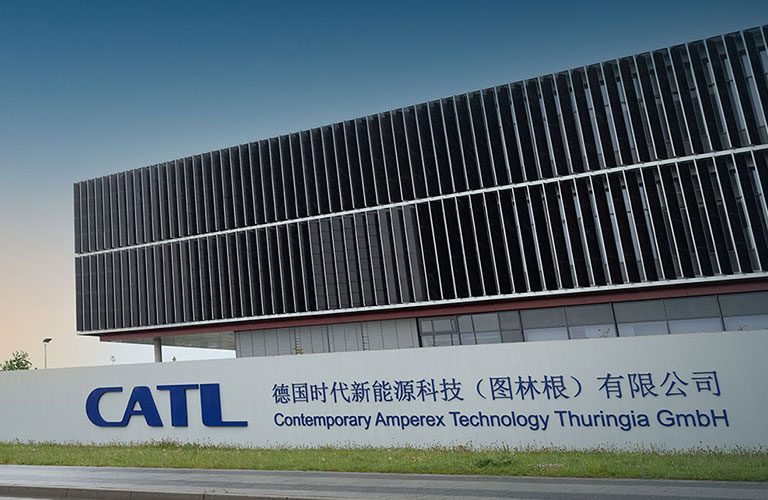
CATL (Contemporary Amperex Technology Co. Limited) is still the king of EV batteries lah. They grabbed 37.5% of the global market with 221.4 GWh of battery installations from January to July 2025. That’s a solid 34% jump compared to last year.
BYD came in second place with 17.8% market share and 105 GWh installations. They grew by a massive 52.4% from 68 GWh the year before. Together, these two Chinese giants control 55.3% of the entire global EV battery market. That’s more than half, lah!
The total global EV battery market hit 590.7 GWh in the first seven months of 2025. That’s 35.3% higher than the 436.7 GWh during the same time last year. People are really switching to electric cars now.
Korean Companies Struggling to Keep Up
While Chinese manufacturers are doing so well, South Korean battery makers are having a tough time. LG Energy Solution sits in third place with 56.1 GWh installations (9.5% market share), but they only grew by 9% year on year. The company was running at just 51.3% capacity in the first half of 2025, down from 69.3% in 2023.
SK On ranks fifth with a 4.2% market share and 24.6 GWh installations. They managed 17.4% growth, but like other Korean companies, they’re only running at about 52.2% capacity.
Samsung SDI is facing the biggest problems among major suppliers. Their battery installations actually dropped by 10.6% to 17.7 GWh. They’re losing customers in Europe and North America.
Eh, I Thought Tesla Also Makes Batteries?
Yes, Tesla are making batteries in their Gigafactory, but if you see the chart above, Tesla is not in the top 10. Tesla and CATL have completely different ways of doing business, and both are winning in their own way. CATL is all about making batteries cheaper and in huge quantities. Tesla? They want the best tech and like to control everything themselves.
CATL is the volume king. They control 37.5% of the global EV battery market and can pump out over 390 GWh of batteries per year. That’s a lot, lah! Their secret sauce is keeping costs super low, especially with their LFP batteries that pack 250 Wh per kilogram. When you want cheap, reliable batteries for mass market cars, CATL is your guy.
Tesla plays a different game. They only make about 10 to 20% of their own batteries (around 100 GWh annually), but their 4680 cylindrical cells are more advanced. These batteries pack 300 Wh per kilogram, which means more range in a smaller, lighter package. Tesla claims their premium batteries cost 20% less than CATL’s for high end applications.
The funny thing is, even though they compete, Tesla actually buys batteries from CATL too. CATL supplies batteries for Tesla’s cheaper cars made in China, while Tesla uses their own premium batteries for expensive models like the Cybertruck.
Think of it this way: CATL is like the neighbourhood economy rice (chap fan) stall that serves everyone good food at great prices. Tesla is like the high end aircond restaurant that makes everything in house with premium ingredients and charges premium for the experience. Both have their place in the market.
For us as a buyer, this means more choices. Want an affordable EV with proven, reliable batteries? Look for cars with CATL batteries. Want cutting edge tech and maximum performance? Tesla’s in house batteries might be worth the extra cost.
New Partnerships Change Everything
General Motors made a deal with CATL to supply lithium iron phosphate (LFP) batteries for the new Chevrolet Bolt EV. This car should cost around $30,000, making it GM’s most affordable electric vehicle. This arrangement will work as a temporary solution until 2027, when LG Energy Solutions starts making batteries locally at GM’s Tennessee facility.
Even with 80% import tariffs on Chinese battery parts, GM thinks this partnership is necessary to keep prices competitive. They’re switching to cheaper LFP technology instead of their expensive battery chemistries.
Ford Motor Company started production at their BlueOval SK facility in Kentucky. This is a joint venture with SK On that cost $5.8 billion. The facility began making batteries for the F-150 Lightning pickup truck and E-Transit cargo van in August 2025. This is a big step for Ford to secure local battery supply.
BYD’s Profit Problems Despite Success
Even though BYD is doing well in the market, they reported their first quarterly profit drop in over three years. Q2 2025 net profits fell 29.9% to 6.4 billion yuan ($895 million). This happened even though their revenue grew by 14%. The reason? China’s ongoing EV price wars are squeezing profits.
The company’s gross margin dropped to 16.3% from 18.7% the previous year. They’re offering huge discounts (up to 34% on more than 20 models) to win market share instead of focusing on profits. BYD’s debt to asset ratio has climbed to 71.1%, and they have a working capital deficit of 122.7 billion yuan by June 2025.
This profit squeeze shows the broader industry problems. Beijing is actively campaigning against aggressive price competition that has driven industry gross margins down to 10-15%. That’s much lower than Tesla’s 18%. The government also implemented faster supplier payment terms, adding more cash flow pressure.
What This Means Globally
The numbers show that six of the world’s top ten EV battery manufacturers are now Chinese companies. They represent 68.9% of total global market capacity. This concentration of manufacturing in China has big implications for global supply chain security and tech independence.
Korean battery manufacturers’ combined market share dropped to 16.6% in the first seven months of 2025. That’s down 4.5 percentage points from the previous year. This drop reflects both aggressive Chinese expansion and weaker than expected demand in Western markets.
The industry trend suggests Chinese dominance will likely continue and get even stronger through 2025 and beyond. CATL is the only supplier with over 30% market share, and BYD keeps pushing hard to grow even though they’re making less profit. Other international companies? They’re really struggling to keep up, lah.
The EV battery market is growing like crazy, so partnerships between car companies and battery makers are becoming super important. Look at GM teaming up with CATL, or Ford working with SK On. These deals show how companies are trying to figure out the best way to get batteries while dealing with costs, quality, and political issues.
For us as a Malaysian looking to buy an EV, understanding who makes the batteries really matters. The battery is usually the most expensive part of any EV, sometimes costing RM50,000 or more. And you know la, if the battery is bad, the second value also gets even worse than it already is. So knowing which company made it and where it comes from can affect both your purchase price and how long the car will last.
Think about it this way: if you’re buying a Proton X50, you probably want to know about the engine. Same thing with EVs, except now it’s all about the battery. Chinese batteries might be cheaper, but are they reliable? Korean batteries cost more, but can last how long? These are the questions you should be asking when you walk into that showroom.
FAQ
Q: Why are Chinese battery companies dominating the global market?
A: Chinese companies like CATL and BYD have invested heavily in battery technology and manufacturing scale. They can produce batteries at lower costs while maintaining quality. They also benefit from strong government support and a large domestic EV market that helps them achieve economies of scale.
Q: Should I be concerned about buying an EV with Chinese made batteries?
A: Not really. Chinese battery manufacturers like CATL and BYD are among the world’s most advanced and reliable suppliers. Many global car brands, including Tesla, BMW, and now GM, trust Chinese batteries. The technology and safety standards are top notch.
Q: What’s the difference between LFP and other battery types?
A: LFP (Lithium Iron Phosphate) batteries are cheaper, safer, and last longer than other battery chemistries. They don’t catch fire as easily and can handle more charge cycles. The trade off is they store slightly less energy per kilogram, but for most drivers, this isn’t a problem.
Q: Will battery prices come down as Chinese companies expand?
A: Yes, likely. More competition and larger scale production usually lead to lower prices. However, trade tariffs and geopolitical tensions might affect prices in some markets. The ongoing price war in China is already pushing margins down.
Q: How do trade tariffs affect EV battery prices?
A: Tariffs make imported batteries more expensive. For example, GM faces 80% tariffs on Chinese battery components but still finds it worthwhile to work with CATL. Car companies often pass these costs to consumers or accept lower profit margins.
Source: Benzinga , China EV, Reuters , Battery Tech Online , CNEVPost.com