BlueShark electric scooters have started to become a common sight around KL and Penang these days. If you’re looking for the latest review and product info on BlueShark’s R1 line, you’ve come to the right place. Let’s talk about what you’re actually getting for your ringgit, how the R1 performs, which features stand out and whether it fits the Malaysian lifestyle. You’ll also find a quick FAQ at the end, straight, honest answers, no “sales talk.”
BlueShark R1 Line: Product Overview
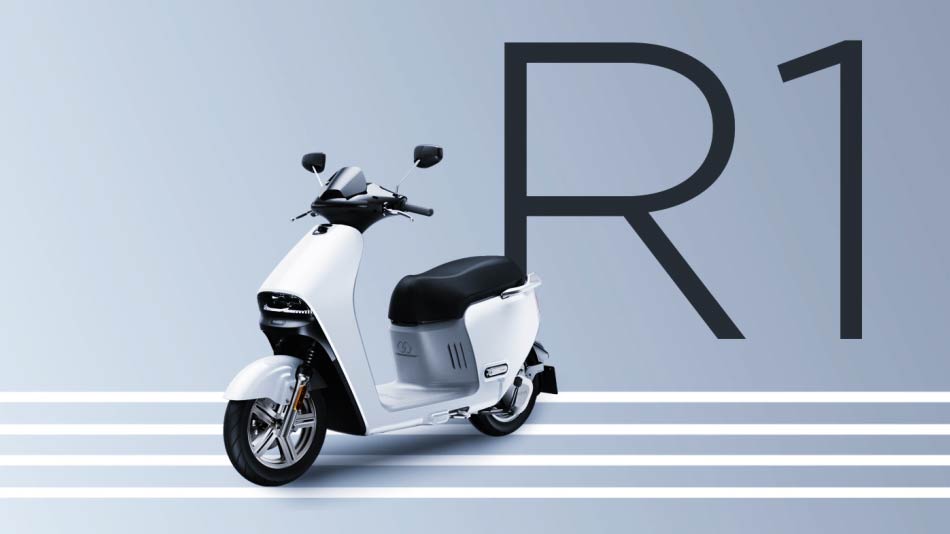
The BlueShark R1 series includes the R1 Lite and R1. Both look quite modern, with that patented battery swap tech and a full suite of smart features. The R1 Lite goes for about RM7,190 while the regular R1 is about RM9,390; prices can fluctuate depending on promotions except the batteries are not included in the bike purchase, so factor in about RM79 per month for battery rental. You can always opt for the outright battery purchase, but get ready to pay around RM6,000 for two packs if you want full ownership.
Both R1 and Lite get the same drivetrain: a 5kW (6.7hp) motor, 201Nm of torque, zero to 50km/h in just under 5 seconds, and a top speed of up to 80km/h. You get two removable batteries rated for about 110km (NEDC cycle) per full charge, which is about 90km in “real world” urban traffic. Each charge takes 3–3.5 hours. If you’ve ever seen a BlueShark with one battery slot empty, it can run at just half the range with slightly reduced max speed, still workable for short city hops.
The key features for BlueShark R1 include:
- Full colour display (10-inch HD, ArkRide system on R1, basic LCD on Lite)
- Bluetooth connectivity, GPS, dashcam, reversing camera (R1 only)
- Side camera display for blind spots
- Reverse gear (makes it easier backing out from crowded pasar car park)
- Lightweight frame for easy handling in city traffic
- Swappable battery packs: just swing by a BlueStation (more coming up at Petronas stations soon).
Riding Experience: Easy Like Riding Basikal
The R1 is built for city traffic, not for going up Genting in the rain. You get quiet acceleration with no jerks or engine vibration. Malaysian roads can be pretty bad, and the R1’s suspension handles those potholes better than most cheap petrol scooters. LED lights are bright, brakes are reliable even on wet tarmac, and side cameras make it safer when merging lanes , quite handy for daily city use.
The controls are easy to learn. Three speed modes are there:
- Economy (max 40km/h).
- Normal (up to 60km/h).
- Sport (pushes to around 80–90km/h).
Switching modes is just a tap on the dash, so you can adapt to jam situations in PJ or zip around Gurney Drive. The reverse gear button is a life saver for tight SS2 parking lots. R1 feels lighter than many petrol scooters, so if you’ve never tried an EV before, it’s very beginner-friendly.
If you ride every day to work (10-20km each way), charging twice a week is cukup. Charging both batteries at home will cost about RM3.90 for a full charge, very murah compared to regular scooters.
Price Point and Urban Use
With sea of choices at RM7k–RM10k for a full-sized EV scooter, BlueShark sits in the “boleh tahan” zone for affordability. The catch is the battery rental or swap subscription. That’s an extra RM59 to RM139 monthly for regular swappers or RM3,000 per battery if you want to own it. Tambah sikit, in 2025 BlueShark has begun working with Petronas and private locations for battery swap stations, up to 300 planned by end of year in Malaysia. Right now, there’s still only a handful (Klang Valley, Shah Alam, USJ, Desa Mentari), but expect more to pop up especially in dense urban areas.
For most Malaysians, the R1 is best for daily commutes, errands, quick meetups at Kopitiam, or foodpanda/delivery gigs. It’s not designed for balik kampung trips yet unless charging stations mushroom along the highways.
Popularity: Who’s Buying?
You’ll see BlueShark scooters mostly among urban youth, working professionals and delivery riders. The smart features, battery swap hype and affordable running costs drive curiosity. It’s picking up, though still far behind Honda, Yamaha, and Modenas in market share, but things are changing as fuel prices creep up and EV awareness grows in Malaysia. KL, PJ, and Penang are the biggest urban EV hotspots. R1 owners say they love the “connected” feel and easy swap, while skeptics complain about limited range, swap station locations and the still-high entry cost if you want all features.
The BlueShark Product List
For Malaysia, the current line-up includes:
- R1 Lite: Budget spec, RM7,190 no batteries, basic LCD display, fewer smart features
- R1: Full spec, RM9,390 no batteries, ArkRide system, side cams, GPS, dashcam, reverse camera, Bluetooth, media playback
- Solo 1C: Newer model, lower entry price with similar tech, targeted at mass market
Upcoming Soloera sub-brand will broaden the affordable range, mostly targeting delivery riders and new city EV users. Not included here are BlueShark’s overseas bikes or China-specific models.
Honest Review: The Real Malaysia Experience
If you live in PJ, Subang, Georgetown, Damansara, places with short commutes, and you’re fed up paying for petrol and routine service, then BlueShark R1 is well worth the try. You get solid build quality and modern features, feels premium, though not luxury level.
Main pluses:
- Quiet, smooth, good acceleration
- Eco-friendly, saves a lot on fuel
- Reliable brakes, good city handling
- Techy stuff: HD screen, cameras, reverse gear, GPS
- Easy to ride, very beginner-friendly
Minuses:
- Battery swap stations still limited (banyak lagi under development)
- Entry cost can stack up once you bundle batteries or monthly swap plan
- Not suitable for long distance, interstate travel
- Lighter build, so feels less stable than beefier petrol scooter at highway speed
As a daily runabout for KL jams, nearby campus or office, BlueShark is “cukup bagus.” Not perfect, but for city living, it’s a strong step in Malaysia’s EV journey.
Quick FAQ
1. How fast can the Blueshark R1 go?
The R1 gets up to 80km/h on Sport mode. If you run just a single battery, it’s limited to about 40km/h.
2. How far can I ride on one charge?
The claimed full range is 110km in NEDC, but expect 80–90km for normal traffic with both batteries fully charged.
3. How much does it cost to charge at home?
You’ll pay about RM1.95 for one battery, RM3.90 for two, for a full charge using your regular socket at home.
4. Can I buy the batteries instead of renting?
Yes, but it costs about RM3,000 each, so total price goes up if you want “all-in” ownership.
5. Where are the battery swap stations in Malaysia?
Currently, KLang Valley, Petronas Batu Tiga, Seksyen 13 Shah Alam, USJ 6, Desa Mentari. Planned expansion is ongoing, maybe 300 more stations by end of the year.
6. Is the R1 legal and safe for Malaysian roads?
Yes, JPJ approved (VTA certified), and any B2 license holder can ride it on public roads. Safety features include reliable brakes, LED lights, side cameras and ABS on some models.
Final Take
BlueShark R1 scooters are here to stay and you’re likely to see more of them as Malaysian cities evolve. It’s not the cheapest out there, but you’ll get a solid, quiet ride which fits city life just right. As swap stations expand, R1 will be even more tempting for those chasing convenience and value. So next time you’re sharing teh tarik, maybe talk about whether an R1 makes sense for you. If your commute is short, these scooters could be the right move to save money and wear a smile while skipping the petrol queue.